The Interplay Between Athlete Biometric Tracking and Line Adjustments in Combat Sports and Racket Disciplines
Kai Peters · Jun 1, 2026
The Interplay Between Athlete Biometric Tracking and Line Adjustments in Combat Sports and Racket Disciplines
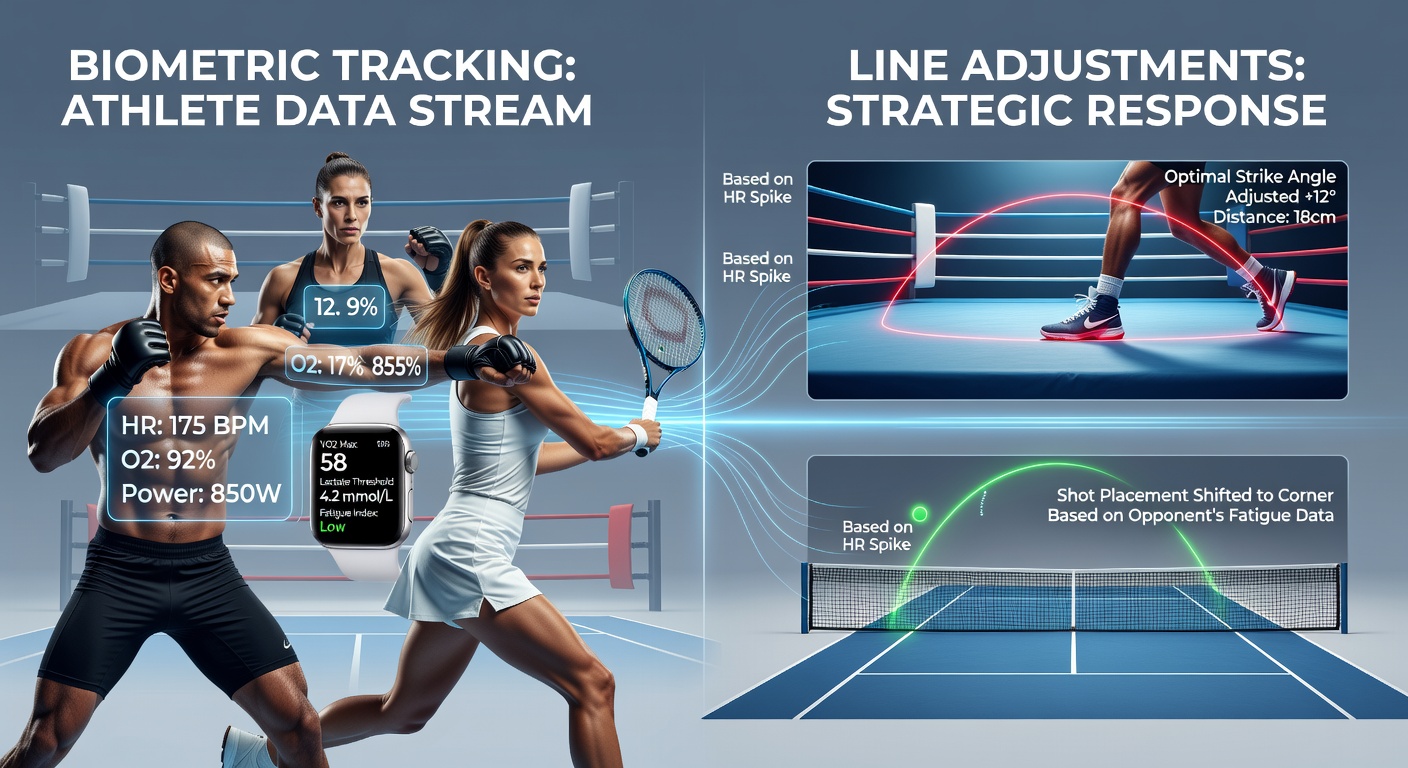
Biometric tracking systems now collect continuous data on heart rate variability, muscle oxygen levels, sleep patterns, and movement efficiency in combat sports and racket disciplines, and these metrics feed directly into performance models that shape how betting operators adjust lines before and during events. Researchers at institutions across multiple continents have documented how such data streams alter expected outcomes, particularly when fatigue indicators spike unexpectedly in fighters or tennis players during extended matches.
Core Biometric Metrics Driving Adjustments
Devices measure recovery through heart rate variability scores, and elevated stress markers often precede measurable drops in punch accuracy or serve velocity, while racket sport athletes show similar patterns when grip strength and reaction times decline after multiple sets. Data collected in training camps reveals that a 15 percent drop in muscle oxygenation correlates with higher error rates in both boxing exchanges and baseline rallies, prompting oddsmakers to recalibrate totals and spreads accordingly.
Coaches integrate these readings with historical performance databases, yet public awareness of the information remains limited unless leaks occur through team reports or injury disclosures. Observers note that in June 2026 several high-profile MMA cards and ATP events featured rapid line movements after biometric summaries appeared in performance analytics feeds shared with select media outlets.
Combat Sports Applications and Market Responses
Combat athletes in boxing and mixed martial arts generate dense datasets during sparring sessions, and these figures help predict how many rounds a competitor can maintain power output before defensive lapses increase. Studies from the Canadian Sport Institute indicate that fighters exhibiting reduced heart rate recovery between rounds see their moneyline odds lengthen by an average of 12 to 18 percent within 48 hours of weigh-ins.
Line adjustments occur when operators detect shifts in expected fight duration or stoppage probability, and such changes often follow private signals from training facilities rather than public announcements alone. The interplay intensifies during championship bouts where both participants release selective biometric summaries to manage expectations.
Racket Discipline Patterns and Predictive Shifts
Tennis and badminton players produce granular movement data through court-side sensors, and these readings highlight declines in first-serve percentage or shuttle speed after prolonged rallies. Research compiled by the Australian Institute of Sport shows that players logging sub-optimal sleep efficiency scores the night before matches experience a documented 8 to 11 percent rise in unforced errors, which in turn influences over/under totals for total games or points.
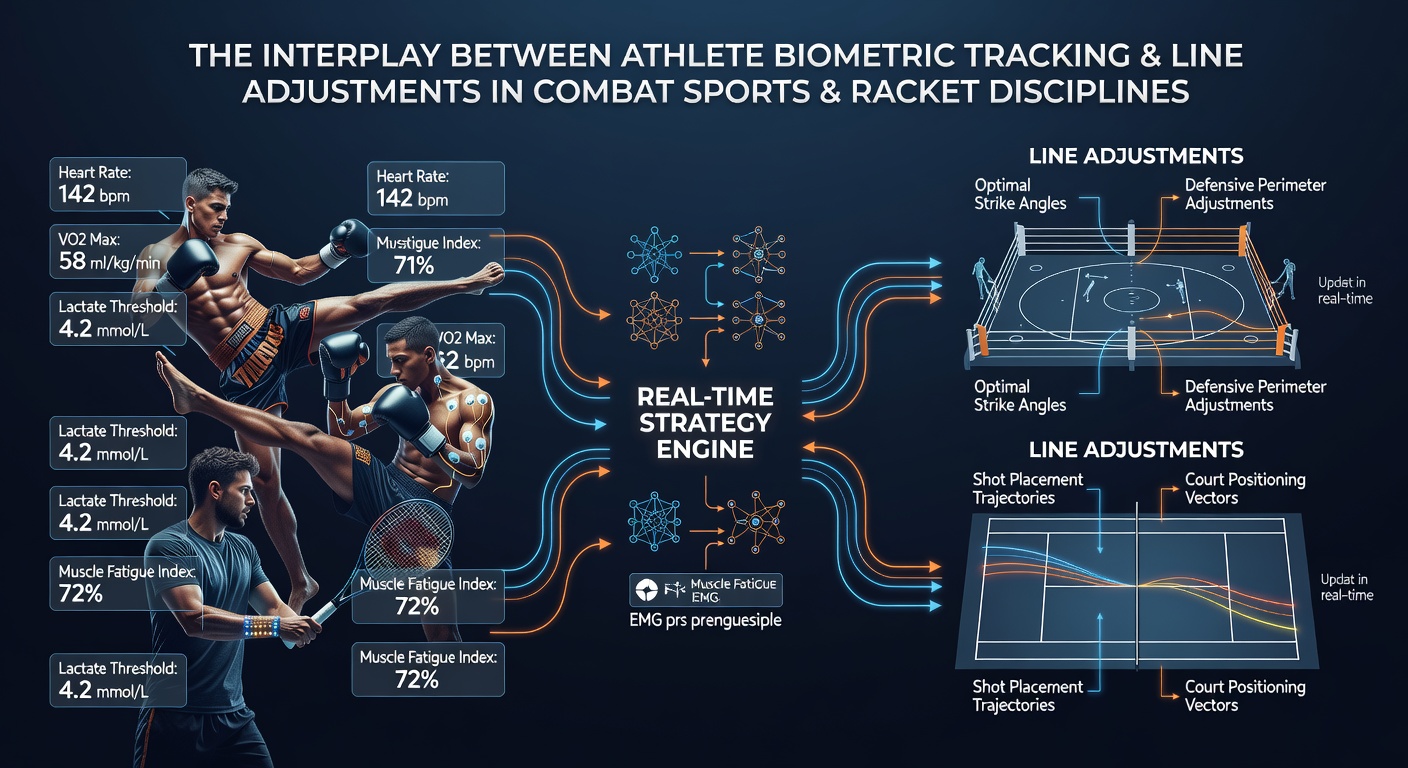
Operators monitor these patterns across multiple surfaces and tournament stages, and they refine spreads when recovery metrics diverge from historical norms for a given player. In doubles events the combined biometric profiles of both partners create additional layers of complexity for point-spread calculations, since one athlete's fatigue can cascade into team-wide performance dips.
Integration Challenges Across Disciplines
Standardization remains inconsistent because combat sports federations and racket sport governing bodies adopt different device protocols and data-sharing policies. European research groups have examined how varying privacy regulations affect the speed at which biometric insights reach betting markets, whereas North American and Asian organizations emphasize real-time integration with performance dashboards.
Those who analyze line movement histories observe that events featuring advanced wearable adoption tend to show earlier and more precise adjustments compared with tournaments where such technology sees limited deployment. The resulting market efficiency gains appear most pronounced in live betting environments where in-match fatigue signals trigger rapid recalibrations of in-play odds.
Conclusion
The connection between biometric tracking outputs and subsequent line movements continues to evolve as device accuracy improves and data pipelines shorten. Combat sports and racket disciplines both demonstrate clear pathways from physiological measurements to adjusted betting parameters, and the pattern holds across different regulatory environments and tournament structures. Continued adoption of these technologies will likely sustain the observed feedback loop between athlete monitoring and market recalibration through the remainder of 2026 and beyond.