Surface Texture Variations and Their Overlooked Sway on Scoring Distributions Across Racetrack Ovals, Clay Courts, and Artificial Turf Fields
Theo Werner · Jun 13, 2026
Surface Texture Variations and Their Overlooked Sway on Scoring Distributions Across Racetrack Ovals, Clay Courts, and Artificial Turf Fields
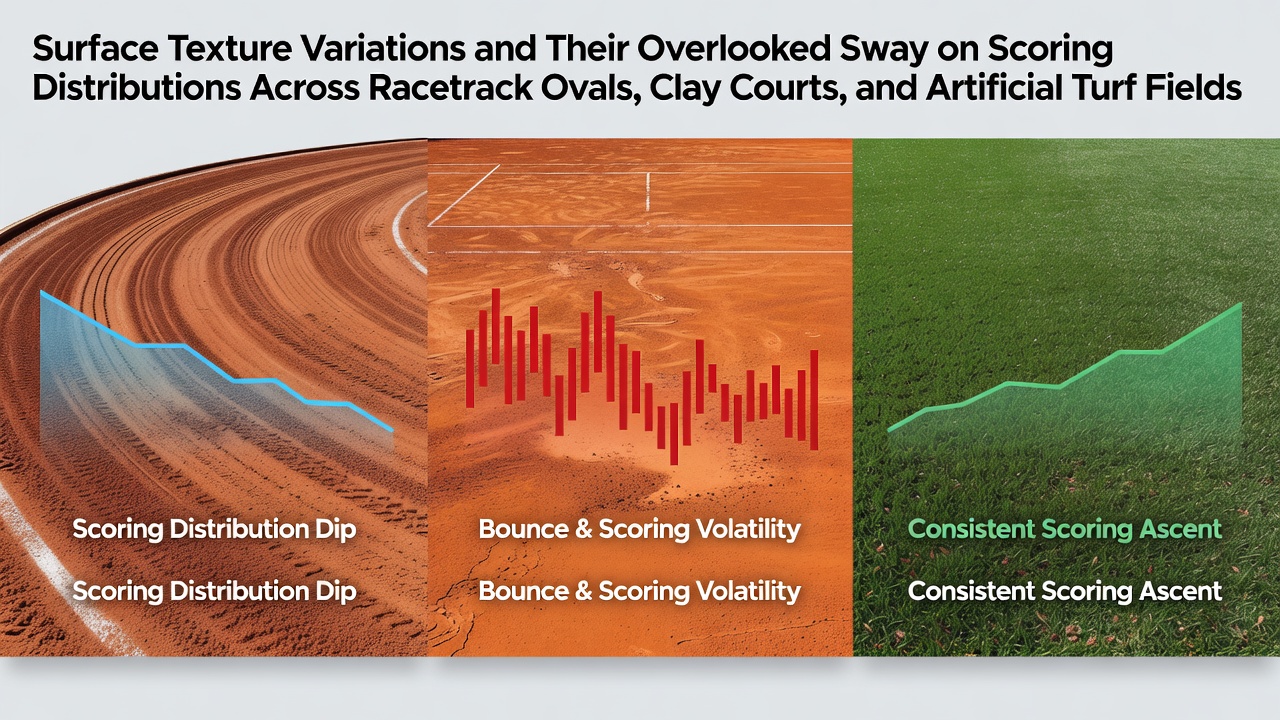
Surface textures shape performance outcomes in measurable ways across horse racing ovals, tennis courts, and team sport fields, with friction coefficients, particle sizes, and material compositions driving variations in speed, bounce, and overall scoring patterns. Data collected from multiple venues shows that even minor differences in surface preparation alter how competitors achieve results, whether through lap times on dirt tracks, rally lengths on clay, or goal tallies on synthetic grass. Racetrack ovals present one clear example where texture plays a direct role in outcomes. Dirt surfaces at many North American tracks contain varying ratios of sand, clay, and silt that change with weather and maintenance routines. When tracks compact under repeated use, horses often post faster final times because reduced cushioning allows for better stride efficiency, whereas looser surfaces increase drag and extend average race durations by fractions of a second that accumulate across fields. Studies from the Jockey Club's Equine Injury Database indicate that synthetic ovals, which feature waxed fibers over a consistent base, produce tighter distributions in winning margins compared with traditional dirt, partly because the uniform grip reduces the likelihood of dramatic late surges. Clay courts introduce another set of variables through their granular makeup and moisture retention. The red clay used at major European venues consists of crushed brick particles that slow ball velocity upon impact while increasing vertical bounce height. This combination extends point durations and raises the total number of shots per rally, shifting scoring distributions toward longer matches where endurance factors outweigh raw power. Observers note that professional tournaments held on these surfaces record higher rates of breaks of serve in later sets, a pattern tied to the surface's ability to absorb pace and reward consistent placement over aggressive baseline play.Artificial Turf Fields and Their Influence on Team Scoring
Artificial turf fields used in soccer and similar sports rely on polyethylene fibers combined with infill materials such as rubber granules or sand. These components determine how the ball rolls and how players plant their feet during acceleration. Research compiled by FIFA's Quality Programme for Football Turf reveals that pitches with shorter pile heights and lower infill volumes generate quicker ball speeds across the surface, which correlates with increased numbers of shots and higher goal tallies in league matches. In contrast, longer fibers with denser infill slow the ball and produce more turnovers in midfield, compressing scoring opportunities into fewer high-percentage chances. Texture consistency across a single field matters as well. Uneven wear patterns near goal areas or along touchlines create micro-variations that affect pass accuracy and defensive positioning. League-wide statistics compiled through 2025 show that teams playing home matches on newer turf installations tend to see elevated expected goal values, especially in the final twenty minutes when fatigue interacts with surface grip.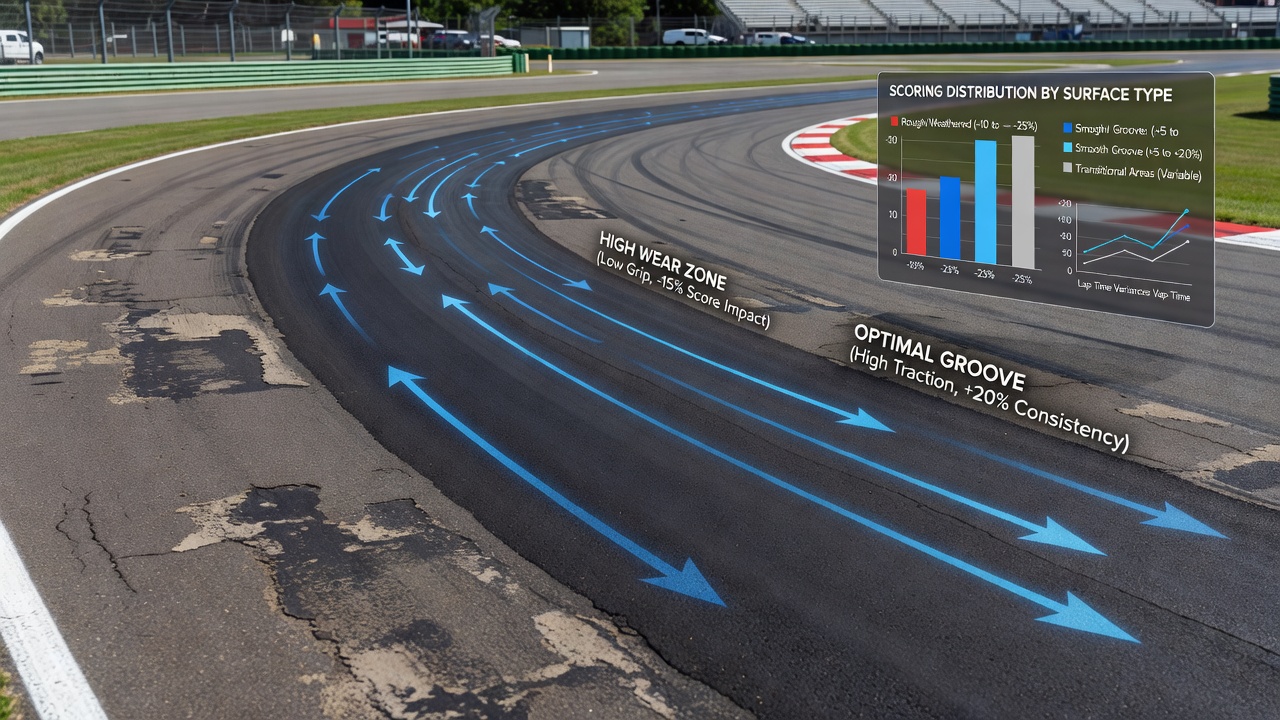 What's interesting is how these surface characteristics interact with seasonal conditions. In June 2026, several major tournaments and race meets coincide with peak maintenance cycles, when groundskeepers adjust watering and rolling schedules to stabilize textures ahead of high-profile events. Such adjustments narrow the range of possible scoring outcomes by reducing unpredictable bounces or footing changes that might otherwise widen distributions.