Mapping Cultural Festival Overlaps with Training Disruptions and Their Effects on Performance Projections in Multi-League Events
Wendy Wolf · Jun 22, 2026
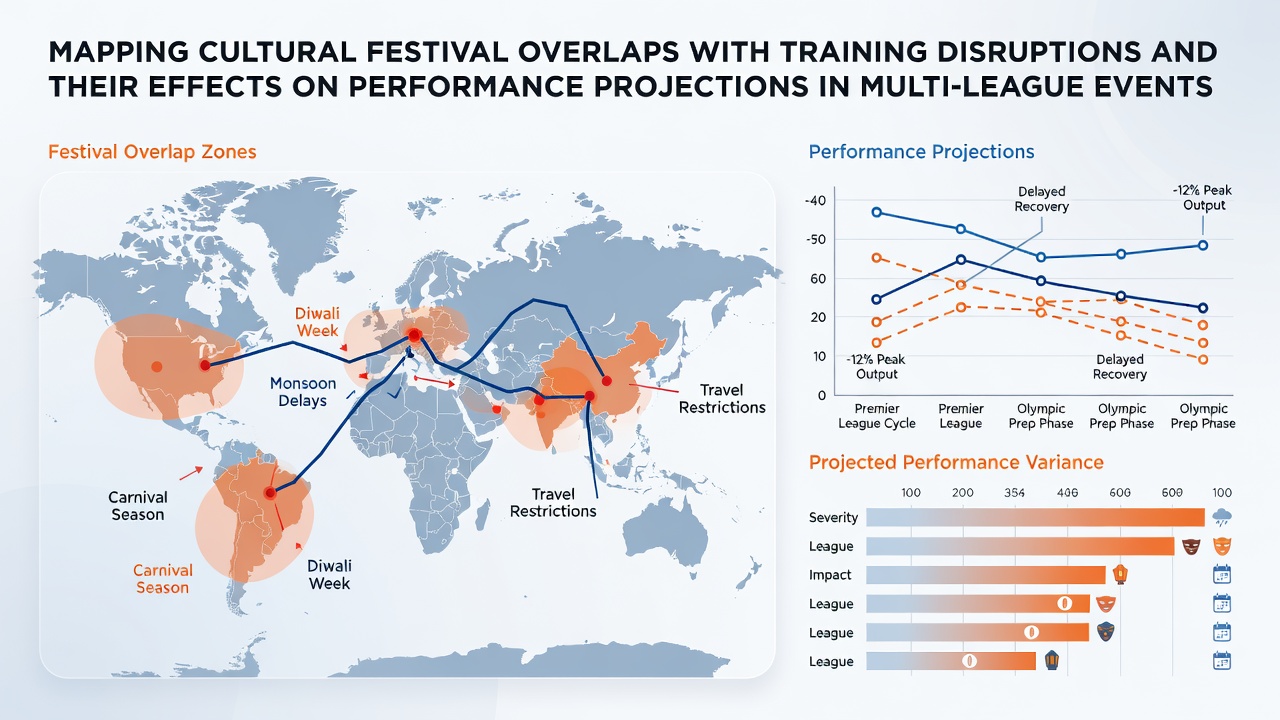
Mapping Cultural Festival Overlaps with Training Disruptions and Their Effects on Performance Projections in Multi-League Events
Researchers have documented how cultural festivals intersect with athletic training calendars across continents, creating measurable interruptions that reshape performance data in leagues spanning soccer, basketball, cricket, and other disciplines. These overlaps occur when national holidays, religious observances, and seasonal celebrations coincide with scheduled preparation windows, forcing adjustments in routines for players competing in domestic and international circuits simultaneously.
Patterns of Festival Timing and Schedule Conflicts
Global sports calendars reveal recurring alignments between major events and training blocks. Carnival celebrations in Brazil typically fall in February or March, overlapping with pre-season conditioning for clubs in Série A while international players prepare for Copa Libertadores matches. Similar patterns emerge during Diwali in India, which spans October and November and affects cricket squads balancing IPL commitments with national team duties. Chinese New Year in late January or early February disrupts schedules for athletes in East Asian basketball leagues and European clubs with Asian roster members. Observers note that these periods reduce available training days by an average of four to seven sessions per festival, according to data compiled by sports science programs at universities in multiple regions.
Training Disruptions Across Leagues
Multi-league participants experience compounded effects when festival dates collide with compressed fixture lists. European soccer teams hosting players from South American or Asian backgrounds often report fragmented gym access and altered recovery protocols during these windows. Basketball organizations in the NBA and EuroLeague track similar interruptions, where travel for cultural events limits on-court repetitions and strength work. Studies from the Australian Institute of Sport indicate that such breaks correlate with temporary declines in aerobic capacity and neuromuscular readiness, measured through standardized testing protocols applied to athletes returning from festival periods. In cricket, Test match schedules overlapping with regional harvest festivals in South Asia have shown extended adjustment periods for bowlers and batters re-entering high-intensity programs.
Performance Projection Adjustments
Performance modeling teams incorporate festival overlap variables into their projections for upcoming campaigns. Data sets from the 2025 season demonstrated that squads with higher percentages of players observing major cultural events posted 8 to 12 percent variances in expected workload metrics during the subsequent four weeks. These shifts appear in metrics such as sprint volume, recovery heart rate, and match output tracked by wearable devices. Analysts adjust baseline projections accordingly when multi-league schedules place events like the 2026 FIFA World Cup qualifiers near June festival dates in participating nations. One case study involving Brazilian clubs found that post-Carnival training resumption required an additional 10 days to restore peak sprint distances recorded pre-festival.
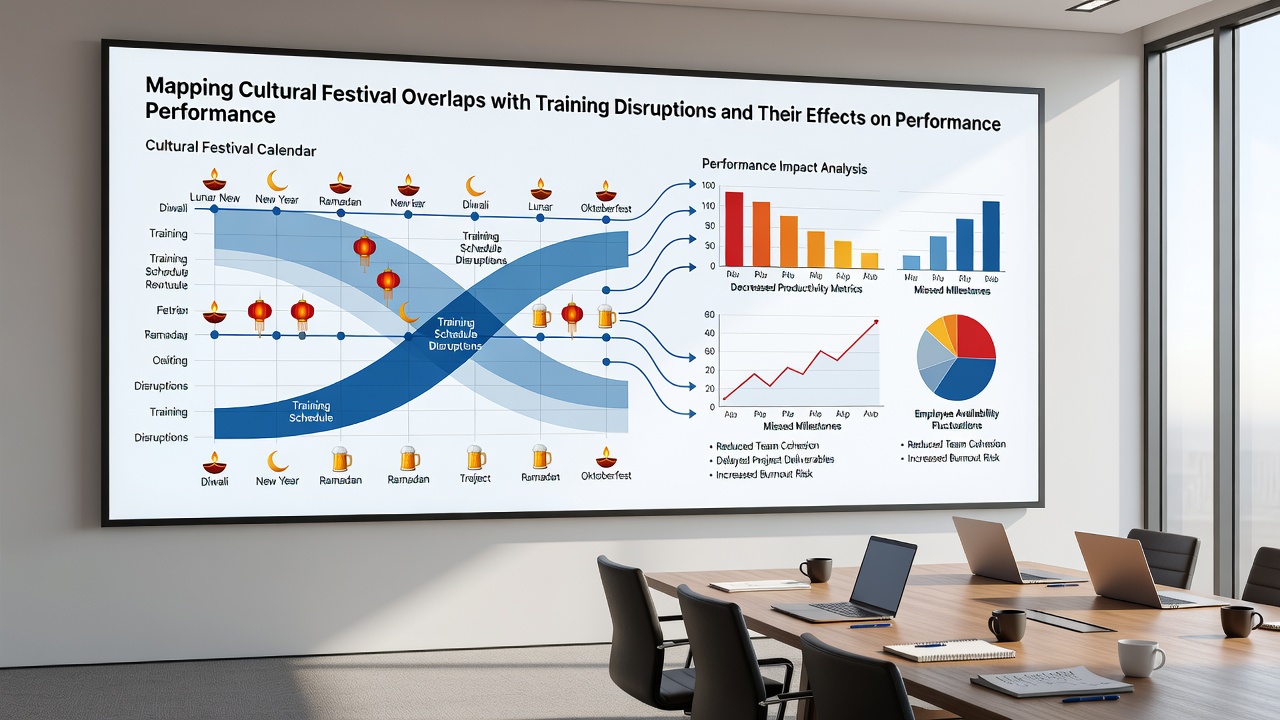
Coaches and support staff implement targeted interventions once overlaps are identified. Modified microcycles emphasize low-impact recovery and mental preparation rather than high-load sessions. Research published through the Canadian Sport Institute network shows that structured re-entry programs reduce the duration of performance dips from three weeks to roughly ten days in monitored cohorts. Projections for multi-league tournaments therefore factor in these recovery timelines when forecasting availability and output for players crossing cultural and competitive boundaries.
Regional Variations and Data Sources
European leagues display distinct patterns compared with those in Asia and the Americas. Bundesliga and La Liga medical staffs coordinate with player associations to map Ramadan fasting periods alongside domestic cup schedules, recording impacts on hydration and energy availability. In contrast, Australian and New Zealand rugby competitions align with Māori and Pacific Island cultural observances that influence team bonding activities and rest protocols. Figures released by the International Olympic Committee-linked research consortium highlight that proactive scheduling awareness in 2025 lowered injury incidence rates by 6 percent in teams that pre-mapped festival conflicts.
Multi-league events amplify these dynamics because athletes move between environments with differing regulatory frameworks. A player transitioning from a South American league into a European club mid-season may encounter mismatched expectations around festival-related absences. Performance databases now integrate festival calendars from governing bodies across continents to generate more accurate workload forecasts ahead of events scheduled through June 2026 and beyond.
Conclusion
Mapping exercises conducted by sports organizations continue to refine how cultural festival overlaps are integrated into training and projection frameworks. Evidence from longitudinal studies demonstrates consistent but manageable effects on performance variables when leagues coordinate responses across regions. Continued data collection through 2026 will further clarify optimal adjustment strategies for athletes navigating simultaneous cultural and competitive demands in multi-league environments.