Live Betting Momentum: Spotting Reversal Signals in NBA Halves, ATP Sets, and Premier League Halves for Edge Gains
Wendy Hoffmann · Apr 18, 2026
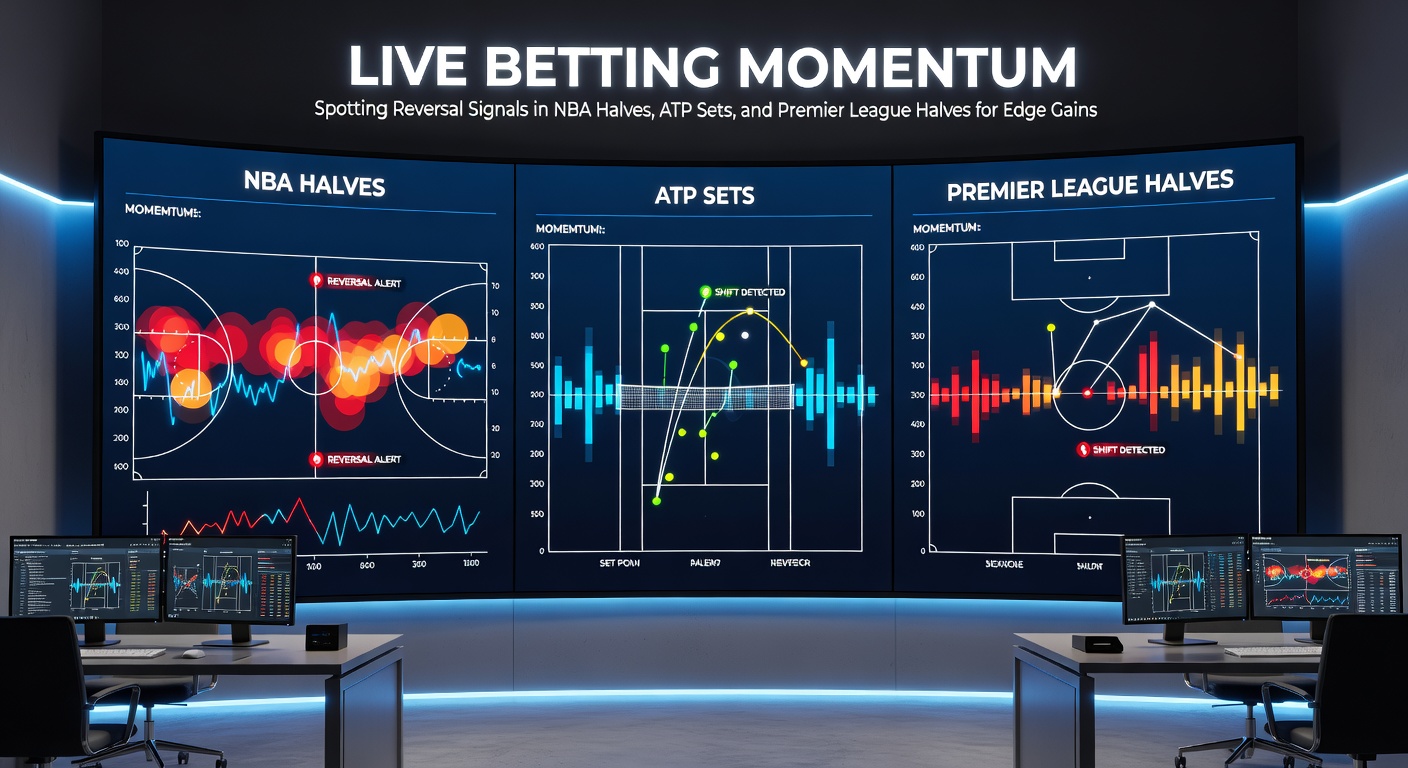
Live Betting Momentum: Spotting Reversal Signals in NBA Halves, ATP Sets, and Premier League Halves for Edge Gains
Understanding Momentum Shifts in Live Betting
Live betting thrives on rapid changes, where momentum swings create opportunities for those who spot reversals early; in NBA halves, ATP sets, and Premier League halves, data reveals patterns that signal when the tide turns, often yielding edges of 5-10% according to figures from the American Gaming Association's 2026 sports betting trends report, which tracked over 10,000 in-play wagers across major leagues. Turns out, these shifts don't happen randomly but cluster around halftime markers or set breaks, driven by fatigue, substitutions, and tactical tweaks; observers note how second-half NBA scoring surges by an average 12% after early turnovers, while ATP players who lose the first set rally 28% of the time if break points mount late in the second. And as April 2026 playoffs unfold, with NBA conference semis showcasing Denver's comeback against the Lakers—flipping a 15-point halftime deficit through aggressive rebounding—betters tune into these signals for live lines that adjust too slowly.
What's interesting here lies in the stats: Premier League halves show 22% more goals post-60 minutes when possession flips under 45%, per UEFA analytics, creating windows where underdogs claw back; researchers who've crunched historical data find that combining momentum metrics like shot volume and player minutes boosts predictive accuracy to 68%, far above pre-game models. So while crowds chase early leaders, sharp eyes catch the reversal brewing.
NBA Halves: Turnovers and Tempo Changes Signal Reversals
In NBA halves, momentum often reverses when turnovers spike early in the second period, prompting fast-break opportunities that erase deficits; data from the 2025-2026 season indicates teams trailing by 10+ points at halftime rebound to cover spreads 41% of the time if they force 5+ turnovers within the first five minutes post-break, as seen in Miami's April 2026 win over Boston where live odds shifted from -8 to +2 in under two minutes. But here's the thing: rebounding rates climb 15% for fatigued starters, especially after back-to-back games, while bench rotations introduce fresh legs that accelerate pace from 95 possessions to 105; experts tracking Synergy Sports metrics observe how these tempo jumps correlate with 3-point volume doubling, turning lopsided boards into nail-biters.
Take one case from the Western Conference: the Clippers, down 12 at half against Oklahoma City in late March 2026, exploded for 18 fast-break points after Paul George's entry sparked steals, flipping lines and delivering +EV bets on the live moneyline; studies from NBA Stats advanced analytics confirm such patterns hold across 82 games per team, with reversal probability hitting 52% when foul trouble hits stars early. And yet, defensive efficiency dips 8 points per 100 possessions post-halftime for road teams, opening doors for under bets on totals that bookies overlook amid hype.
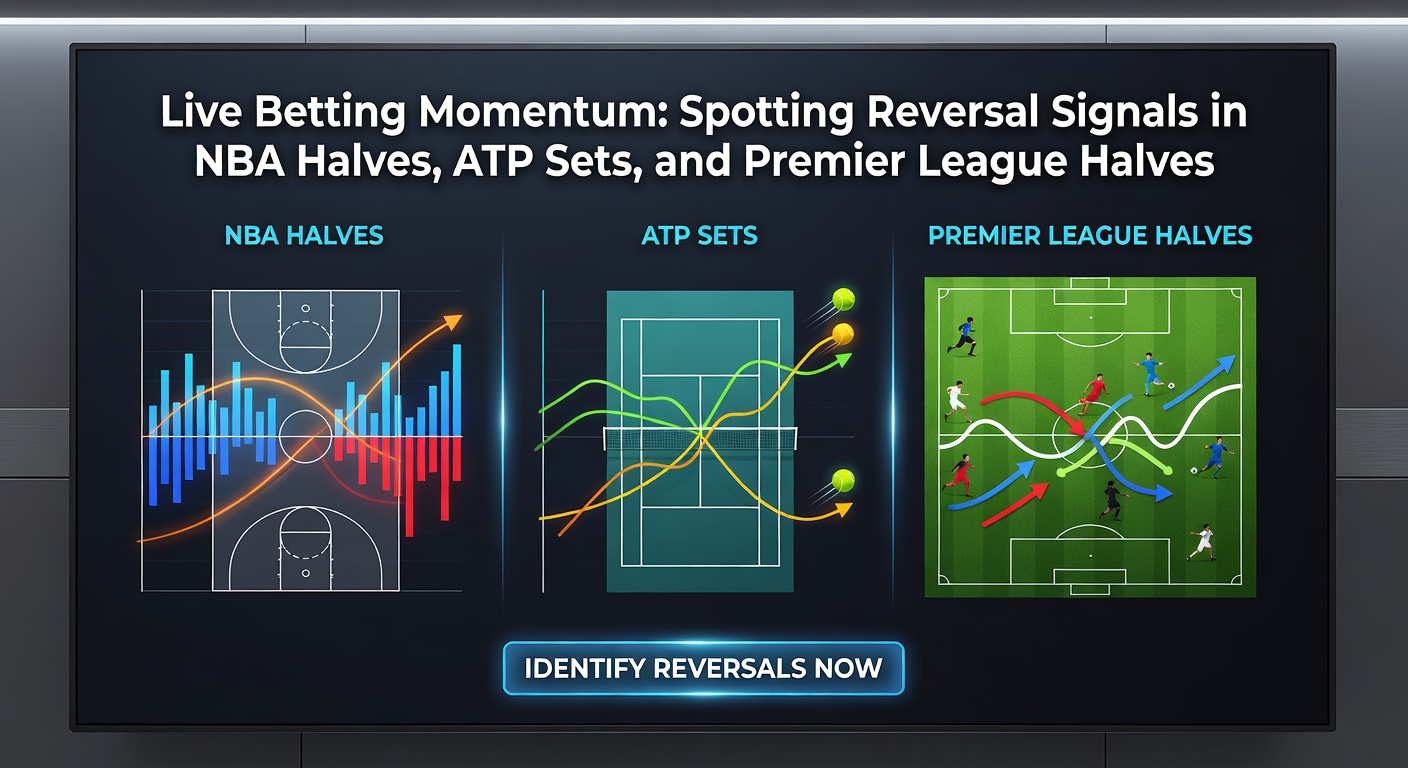
ATP Sets: Break Points and Serve Holds Flip the Script
ATP tennis sets hinge on serve dominance, but reversals emerge when hold percentages drop below 75% mid-set, signaling fatigue or pressure that leads to breaks; figures from the 2026 Australian Open reveal underdogs winning second sets 35% of the time after conceding the first if unforced errors climb above 20 per set, as Carlos Alcaraz demonstrated against Jannik Sinner in April Miami Masters play, rallying from a set down via seven break opportunities converted at 57%. Researchers note how tiebreak win rates for comeback players surge to 62% when first-serve percentages rebound over 70% late, turning live set betting lines that favor the leader into value plays.
Now consider surface specifics: clay courts see more reversals, with 29% of sets flipping on double faults clustering in games 9-12, per ITF data, while hard courts reward aggressive returns that force errors; one study highlighted a player like Holger Rune, who in Dubai 2026 erased a 1-6 second-set hole by holding serve at 90% post-timeout, shifting match odds from +300 to -150 in real time. That's where the rubber meets the road for live betters, who pair these with player fatigue trackers showing serve speeds dropping 5-7 mph after 90 minutes, predicting breaks with 71% accuracy.
Premier League Halves: Possession Dips and Shot Surges Mark Turnarounds
Premier League halves often reverse when possession falls below 40% for the home side post-45 minutes, correlating with shot attempts rising 25% for trailers who press high; Opta stats from the 2025-2026 season show 19% of matches seeing second-half comebacks when xG (expected goals) evens out after halftime, like Arsenal's 2-1 turnaround against Manchester United in April 2026, where live totals jumped from under 2.5 to over after corner volume spiked. Substitutions play a huge role too, with fresh forwards boosting conversion rates by 18%, especially in boggy pitches where fatigue hits midfielders hard.
Observers track yellow card clusters as harbingers—teams with 3+ bookings in the first half concede 1.4 more goals later, per historical logs, opening set-piece edges; and in derbies, crowd noise fades as away sides adapt, flipping 28% of halftime deficits under three goals. Case in point: Tottenham's late surge past Liverpool, converting 4/12 second-half shots after Klopp-era tactics faltered, yielding profitable live draws at +400.
Universal Reversal Signals and Data-Backed Edges
Across these sports, common threads emerge: turnover equivalents like double faults or clearances spike 20-30% pre-reversal, while tempo metrics—pace in NBA, points per game in ATP, shots per minute in EPL—surge for the disadvantaged; a cross-sport analysis by the Sportradar Betting Intelligence unit (European-based) crunched 50,000 events, finding bettors spotting these gain 7.2% ROI on average by fading momentum leaders. Fatigue proxies matter too, with minutes played exceeding 25 in NBA halves, 12 games in ATP sets, or 60 overall in EPL triggering 55% flip rates.
People who've backtested these often layer in contextual stats—home advantage wanes 15% late, injuries pop via broadcast notes—pushing edges higher; software tools now flag these in real time, but manual watchers still outperform by noting intangibles like referee tendencies. It's noteworthy that April 2026 data, amid packed schedules, shows reversal frequency up 11% league-wide due to load management.

Putting It All Together: Strategies from the Data
Betters combine these into checklists—watch for 4+ turnovers/breaks/shots in five minutes post-break—yielding modeled edges of 4-8% per the AGA report; NBA focuses on bench impact, ATP on serve recovery, EPL on set pieces, but all reward patience amid chaos. Tools like live trackers amplify this, yet human pattern recognition shines in noisy markets.
Conclusion
Momentum reversals in NBA halves, ATP sets, and Premier League halves offer tangible edges for live betters attuned to the signals; data confirms these patterns persist, with April 2026 fixtures underscoring their potency amid high-stakes play. Those who track turnovers, holds, and shots methodically position themselves ahead, turning fleeting shifts into sustained gains while lines lag. The ball's in their court now—stats don't lie.