Elevation's Hidden Role in Shaping Totals and Spreads at High-Altitude Sports Venues
Wendy Hoffmann · May 23, 2026
Elevation's Hidden Role in Shaping Totals and Spreads at High-Altitude Sports Venues
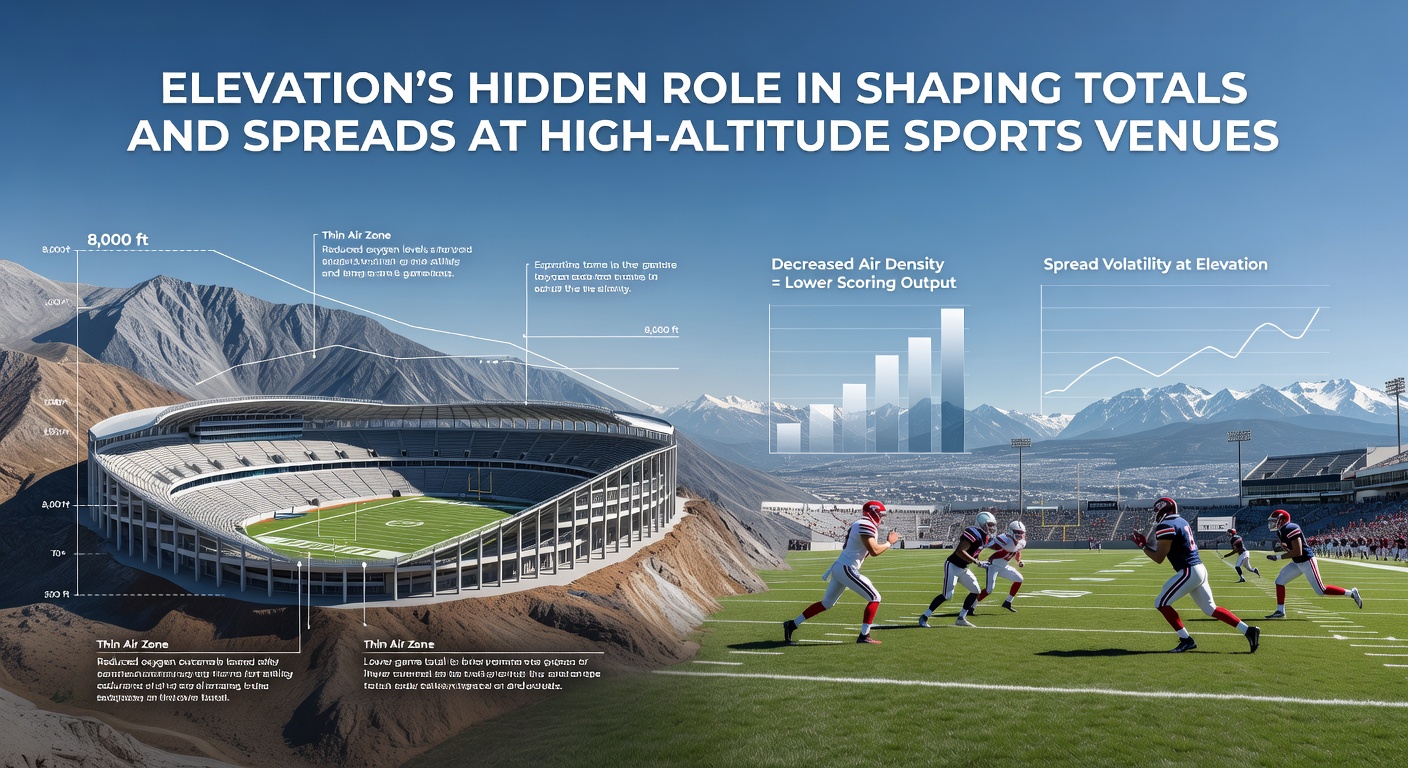
High-altitude venues introduce measurable changes to athletic output because thinner air reduces oxygen availability and air density, and these factors alter player endurance along with projectile trajectories in multiple sports. Observers note that stadiums situated above 5,000 feet produce consistent patterns in scoring and performance margins, which directly affect totals markets and point-spread calculations across baseball, soccer, and American football.
Physical Mechanisms at Play
Reduced atmospheric pressure at elevation decreases oxygen uptake during sustained exertion, so athletes experience faster lactate accumulation and reduced recovery between bursts of activity. At the same time lower air density allows balls to maintain velocity longer with less drag, which extends travel distances for baseballs, soccer balls, and even kicked footballs. Researchers at institutions in the western United States have quantified these effects through controlled studies that compare performance metrics at sea level versus locations like Denver and Mexico City.
Data from major-league baseball games at Coors Field demonstrate that home-run rates rise by approximately 20 to 30 percent compared with league averages at lower elevations, while earned-run averages for visiting pitchers increase noticeably because fly balls carry farther and stay airborne longer. Similar physics apply in soccer matches at Estadio Azteca, where the ball moves through the air with greater speed yet visiting players tire more rapidly during the second half.
Impact on Scoring Totals
Totals lines in baseball and soccer adjust upward at high-altitude parks because the combination of extended ball flight and home-team familiarity produces higher run and goal outputs on average. In contrast American football totals often move downward since the thinner air accelerates fatigue in skill-position players and reduces the effectiveness of long passing plays after repeated drives. League-wide statistics compiled over multiple seasons confirm these directional shifts, with Coors Field posting the highest runs-per-game average in Major League Baseball while certain soccer competitions in South America record fewer total goals when matches occur at extreme elevations.
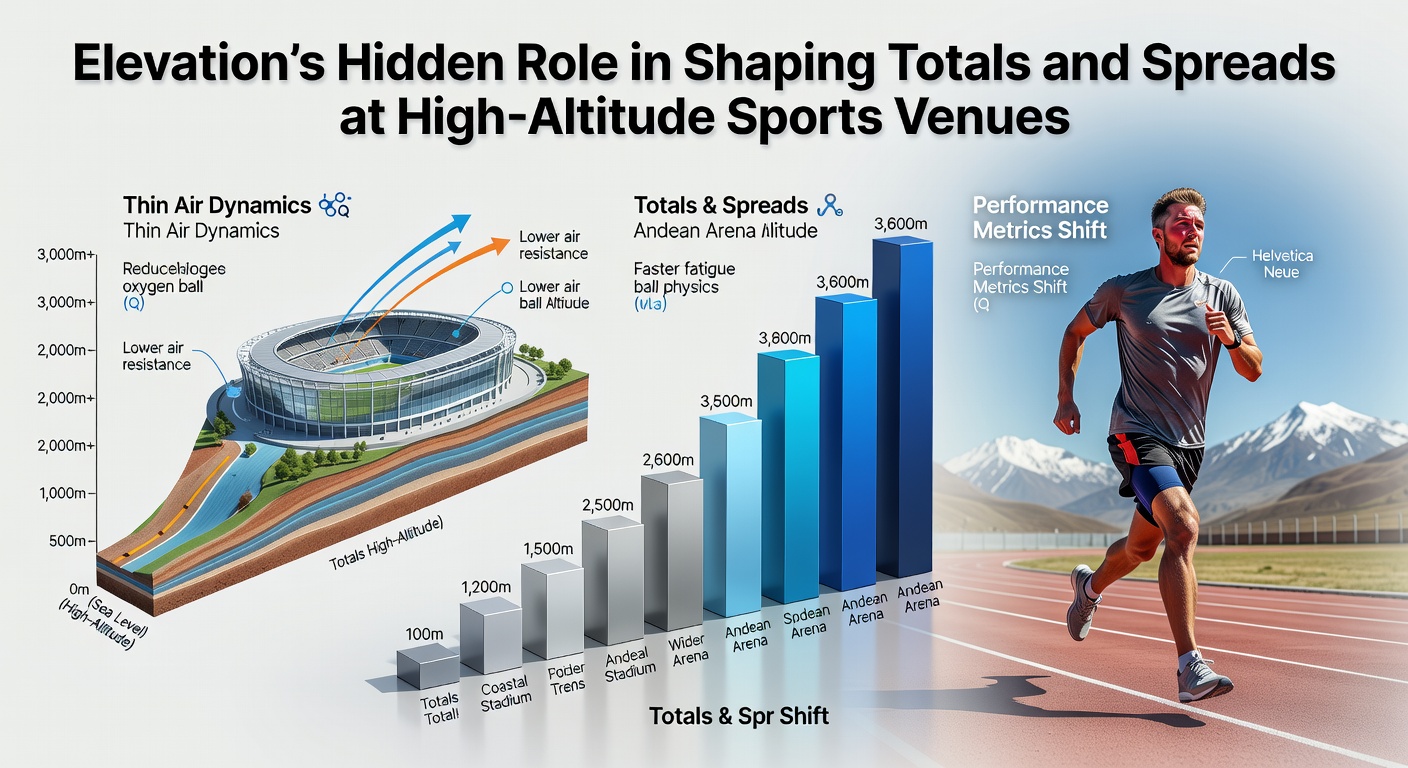
Betting markets incorporate these historical averages when setting over/under numbers, yet sharp bettors further refine projections by tracking recent roster changes and acclimatization schedules. Teams that arrive early and conduct altitude-specific training sessions show smaller performance drops, which can compress totals relative to lines that assume standard visitor disadvantages.
Effects on Point Spreads and Handicaps
Point spreads widen in favor of home sides at high-altitude venues because visiting teams face compounded disadvantages in both physical recovery and tactical execution. In soccer, for instance, CONMEBOL matches at Bolivian stadiums above 3,600 meters have produced home win percentages exceeding 70 percent across recent decades according to competition records. In the NFL, Denver Broncos home games at Empower Field have historically featured larger margins than the team achieves on the road, prompting oddsmakers to add extra points to the spread when the opponent lacks recent mountain experience.
Those who study these patterns often examine travel logs and rest differentials because teams flying in the same day exhibit steeper declines in fourth-quarter output. Data from university performance labs in Canada and Australia corroborate that even partial acclimatization over 48 hours measurably improves repeat sprint ability and decision-making speed under reduced oxygen conditions.
Case Examples Across Leagues
One documented series at Coors Field during the 2025 season showed that games with visiting teams arriving less than 24 hours prior produced run totals 1.8 runs above the posted over/under on average, whereas teams with multi-day acclimatization stayed closer to market expectations. In Mexican Liga MX contests at Mexico City, spread movements frequently favor the home club by an additional half-goal when the opponent hails from coastal regions and has limited prior exposure. These examples illustrate how elevation interacts with scheduling variables to create exploitable edges in both totals and spreads.
International governing bodies such as FIFA have issued guidelines on player welfare at altitude, and these protocols influence match scheduling that in turn shapes betting market liquidity during May 2026 tournaments held in Andean venues. Market makers monitor such regulatory updates because altered kickoff times and mandatory rest periods can modify expected scoring rates.
Conclusion
Elevation introduces quantifiable variables that reshape both raw scoring outputs and relative team performance at specific venues, and these variables translate into systematic adjustments for totals and spreads across major sports. Continued collection of performance data from high-altitude competitions allows markets to refine pricing while participants incorporate travel, acclimatization, and environmental factors into their evaluations. The patterns remain consistent enough that historical datasets retain predictive value even as individual athletes and tactics evolve.